
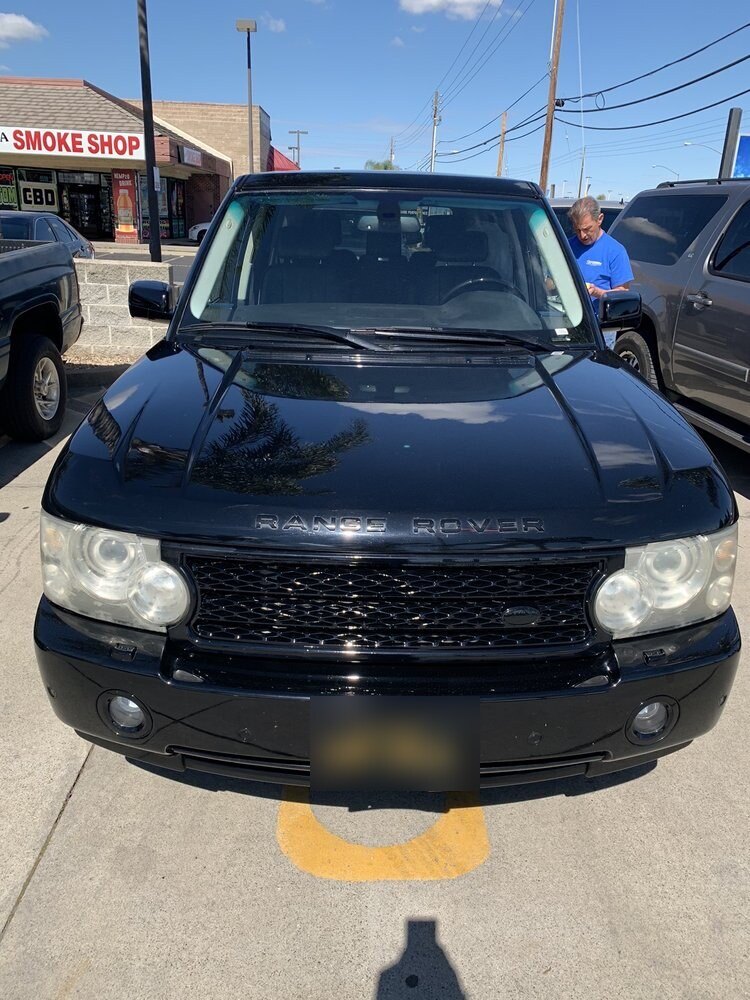
A full detail in Modesto is not one flat number, and any shop that quotes you a single figure sight unseen is guessing. The price depends on the car in front of them: how big it is, what shape it is in, and how much of the work is cleaning versus paint work.
Car Pretty posts its pricing at the shop at 4207 McHenry Ave, so you can see the starting points for yourself. What follows is the honest explanation of why two cars in the same parking lot can be quoted differently, so you know what you are paying for before you hand over the keys.
What a full detail actually includes
A wash is a wash. A full detail is a different job. It means the outside and the inside are both taken apart, cleaned, and put back together in a way that a driveway rinse does not touch.
On the outside that generally means the paint is washed by hand, the wheels and wheel wells are cleaned separately from the body, the glass is cleaned inside and out, the door jambs are wiped down, and the exterior trim and tires are dressed. On the inside it means the seats and carpets are vacuumed thoroughly, the vents and seams and cupholders are cleaned out, the dash and door panels are cleaned rather than shined over, and the glass is finished so it does not smear in low sun.
The reason detailing takes real time is the small work: the strip of carpet under the seat rails, the gap where the seat belt buckle sits, the edge of the sunroof drain, the back side of the steering wheel. That is the part you feel every day and it is the part that separates a detail from a car wash.
Vehicle size is the first thing that moves the price
Every shop starts here because it is the most obvious variable. A compact sedan has less paint, less glass, less carpet, and fewer seats than a three-row SUV or a crew cab pickup.
Around Modesto that difference matters more than it might somewhere else, because so many of the vehicles here are trucks and full-size SUVs that do real work. A truck that hauls to job sites, tows on the weekend, and carries a dog in the back seat is a larger job in every direction than a commuter car that only sees the drive to work and back.
So when you call and are asked what you drive, that is not small talk. It is the first line of the estimate.
Condition matters more than age
A well-kept older car is often an easier job than a newer car that has been neglected. Detailers do not price off the model year, they price off what is actually on the paint and in the carpet.
On the outside, the questions are whether the paint has bonded contamination on it, whether there is overspray or tree sap or bug residue baked in, whether there is bird etching, and whether the previous washes left the clear coat covered in fine swirl marks. Each of those is a separate step, not a harder scrub.
On the inside, the questions are whether spills have soaked into the padding under the carpet, whether there is smoke or food odor in the headliner, whether sunscreen or hand lotion has built up on the steering wheel and shift area, and whether the plastics have been dressed with a greasy product that has to be stripped before anything new can go on.
How long it has been since the last detail
This is the factor most people underestimate. Dirt that has been sitting for one season and dirt that has been sitting for several years are not the same material.
Given enough time in the Central Valley, road film, irrigation water spots, and agricultural dust stop being loose dirt and start being a layer. Interior grime does the same thing: it moves from the surface of the plastic into the texture of the plastic, and it has to be pulled back out rather than wiped off.
A car that gets detailed on some kind of schedule tends to come in as a maintenance job. A car that has never been detailed is a restoration job, and it is fair for that to be priced differently.
Pet hair, kids, and work vehicles
Pet hair deserves its own line because it behaves unlike anything else in a car. It weaves itself into the carpet fibers and into cloth seats, and a vacuum alone will not lift it. It has to be worked out of the material by hand with the right tools, section by section, and that is real labor.
Kid cars have their own version of this. Crushed snacks in the seat rails, dried juice down the side of a booster seat, and sticky residue on the back of the front seats are all jobs that take patience rather than speed.
Work vehicles bring in whatever the work is. Concrete dust, fertilizer, sawdust, paint, grease, and orchard dirt all behave differently and all need a different approach. None of this is a judgment on the owner. It is simply why an honest shop wants to see the vehicle before quoting it.
Whether paint correction is part of the job
This is the biggest single fork in the road. A detail cleans the paint. Paint correction changes the paint by machine polishing out the fine scratches and swirls that scatter light and make a dark car look dull.
Correction is skilled, slow work and it is measured in passes over every panel, so a detail with correction is a substantially different job from a detail without it. If you have a black or dark car and you have been washing it at an automatic wash, you probably have swirl marks, and the difference correction makes on that car is dramatic.
You do not have to decide this on the phone. It is easier to look at the paint in the sun with someone at the shop and decide whether correction is worth it for your car and how you use it.
How to get a number you can trust
The fastest way to a real quote is to describe the vehicle honestly and then let someone look at it. Say what you drive, say when it was last detailed, and say the parts that bother you most, whether that is the carpet, the odor, the dullness of the paint, or all three.
The printed pamphlet shows starting points, but its offer terms may have changed. For a current quote, call (209) 526-8688 or stop by 4207 McHenry Ave in Modesto Monday through Friday between 7:00 AM and 4:00 PM and have someone walk the car with you.
A shop with more than 35 years of experience will tell you what a car needs and also what it does not need. That second part is usually where the money is.