
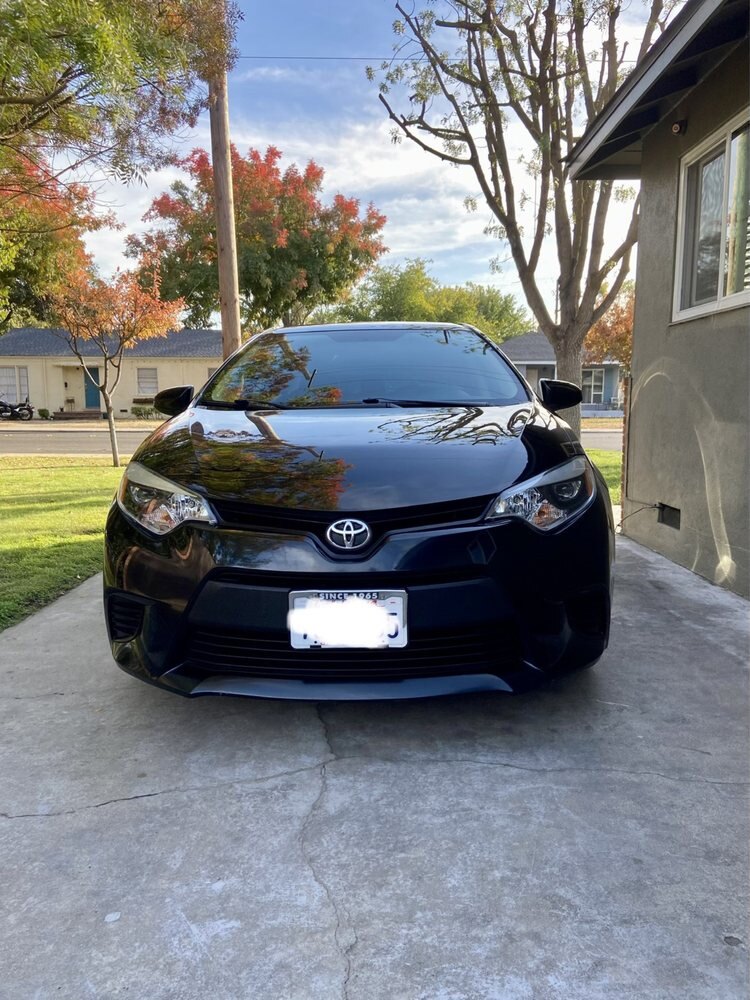
Getting ready for a valley winter is mostly about visibility and moisture, not snow. Tule fog can drop the view down the road to almost nothing, and the same damp air that creates it soaks into your carpets and fogs your glass from the inside.
So the winter prep list here looks different from the one you would follow in a cold climate. It starts with glass, lights, and wipers, and it ends with getting the moisture out of the interior before it turns into a smell you cannot get rid of.
What tule fog is and why it is different
Tule fog forms in the Central Valley after the first soaking rains, when the ground is wet and cold clear nights let the surface air chill. The valley's shape traps that layer of air, and it sits there, sometimes for days.
It is a ground fog, which means it is thickest exactly where you are driving, and it can go from thin to dense in a few hundred feet. That is what makes it dangerous: the conditions change faster than most drivers adjust.
It is worst in the early morning and in the evening, which is when most people commute, and it settles heaviest over the open agricultural stretches between towns.
Start with glass, inside and out
Clean glass is the single highest-value thing on this list. A windshield with road film on the outside scatters headlight glare badly in fog, and a film on the inside does the same and also grabs condensation.
That inside film is real and most people never address it. It comes from off-gassing plastics, defroster air, and hands, and it is why a windshield that looks clean smears the moment you run the wipers or the defroster.
Clean both sides properly, including the bottom edge of the windshield where it meets the dash and the top edge of the side glass that hides in the door seal. Do the mirrors and the back glass too.
Wipers and washer fluid
Wipers that were fine in dry weather often turn out to be finished the first time you need them. Check the edge of the rubber for cracks, hardening, and tears, and watch for chatter or a streak that will not clear.
Valley summers are hard on wiper rubber, so replacing them in the fall is a reasonable default rather than waiting until they fail in traffic.
Fill the washer reservoir and confirm both nozzles actually spray where they should. In fog, the film on the glass is constant, and you will use more washer fluid than you expect.
Lights matter more than usual
In fog, lighting is about being seen as much as seeing. Check that every exterior light works: headlights on both low and high beam, taillights, brake lights, turn signals, and fog lights if the car has them.
If your headlight lenses are hazy, fog season is when that really hurts. A cloudy lens scatters light, and in fog that scattered light bounces straight back at you as glare while putting less usable light down the road.
One more thing worth repeating: in dense fog, use low beams. High beams reflect off the water droplets and make the wall in front of you brighter, not clearer. And daytime running lights alone often do not turn on your taillights, which is exactly what the driver behind you needs to see.
The damp interior problem
Here is where valley winters quietly do their damage. Wet shoes, wet umbrellas, and humid air get into the carpet and the padding underneath it, and in cool damp weather that moisture does not evaporate quickly.
The result is the musty smell that shows up in January, along with fogged-up windows that will not clear because the moisture has nowhere to go and keeps re-entering the air in the cabin.
If spills from the summer are already soaked into the carpet padding, cold damp weather makes them worse, because organic residue plus moisture plus time is exactly how odor develops. A proper interior shampoo that extracts moisture rather than adding more is the fix, and doing it before the wet season starts is better than fighting it in February.
Airflow, filters, and defrosting
Your cabin air filter is part of your visibility system, because the defroster depends on airflow. After a valley summer of dust and harvest debris, that filter is often loaded, and restricted airflow means slow defogging exactly when you need it fast.
Learn the fast way to clear a fogged windshield in your car: defrost mode, air conditioning on so the system dehumidifies, fresh air rather than recirculate, and heat. Recirculating cabin air when everyone inside is damp is what keeps the fog on the glass.
Check that the windshield cowl drains are clear of leaves so water goes out of the car rather than finding its way into the carpet.
Paint, floors, and the rest of the checklist
Rain is not clean. The first rains after a long dry season wash a season of dust, road film, and ag residue down over your paint, and then it dries on. Getting the paint clean and protected before that happens makes winter washing much easier.
Floor mats matter more than people think. Rubber or all-weather mats that hold water are far better than carpet mats that soak it up and hand it to the padding underneath.
Check your tires while you are at it. Tread depth is what evacuates water on a wet highway, and fog season and rain season arrive together.
Driving in it
When it closes in, slow down well below the posted speed and increase your following distance far more than feels necessary. Most valley fog collisions are chain reactions where each driver was going slightly too fast for what they could see.
Use the right edge line as your reference rather than the center line and the taillights ahead of you. Following taillights is how people end up in the back of the car in front.
If it becomes too dense to continue, get completely off the roadway into a lot or a driveway, not onto the shoulder, and turn your hazards on once you are stopped and out of the lane.
Get it handled before the fog sets in
The best time for winter prep is before the first real rain, while the car can still dry out properly after interior work. Once the damp season is fully in, everything takes longer.
Car Pretty is at 4207 McHenry Ave in Modesto, open Monday–Friday, 7:00 AM to 4:00 PM, with more than 35 years of experience and both a detailing department and an auto repair and smog department on the same lot.
Call (209) 526-8688 to get the interior dried out, the glass genuinely clean, and the headlights clear before tule fog season starts.